
Day Time Opportunities
The Day Centre
Autism Life Centres provide community-based opportunities in line with the ‘Closer to Home’ initiative, for inclusion, socialisation, continuing development of life skills and independence, and work experience where appropriate, for the individuals.
The MISSION is to deliver our goals through the provision of high-quality specialised services and to provide this support in an environment where adults with autism can develop where they feel safe, comfortable, welcomed, and encouraged to develop involvement with their communities.
To provide a person-centred, bespoke service of high-quality provision for individuals with autism and related conditions.
We deliver care programmes based on the DIR® model, ensuring that each package is tailored to meet the needs of the individual. We believe that learning is lifelong. People with autism and related conditions can continue to grow, develop their skills and thrive.
At ALC, we offer a supportive setting where adults can develop practical abilities while benefiting from a nurturing environment that promotes emotional well-being.
Our Programme Includes (but is not limited to):
Cooking
Gardening
Music sessions
Art and craft activities
Social skills, communication and chat groups
Movement and physical activity
Swimming
Volunteer work opportunities within the local community
Day trips and community-based activities
Parties
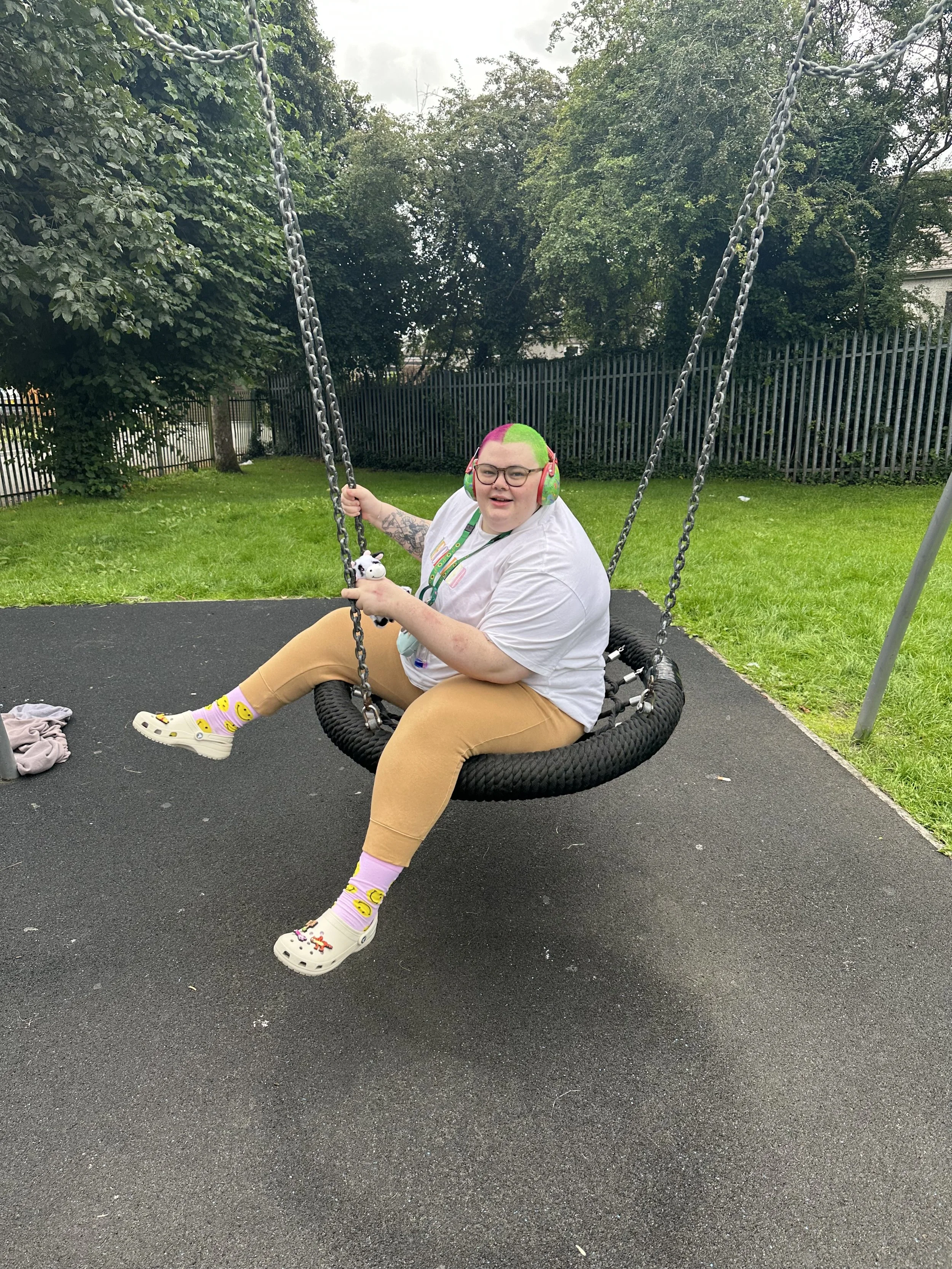
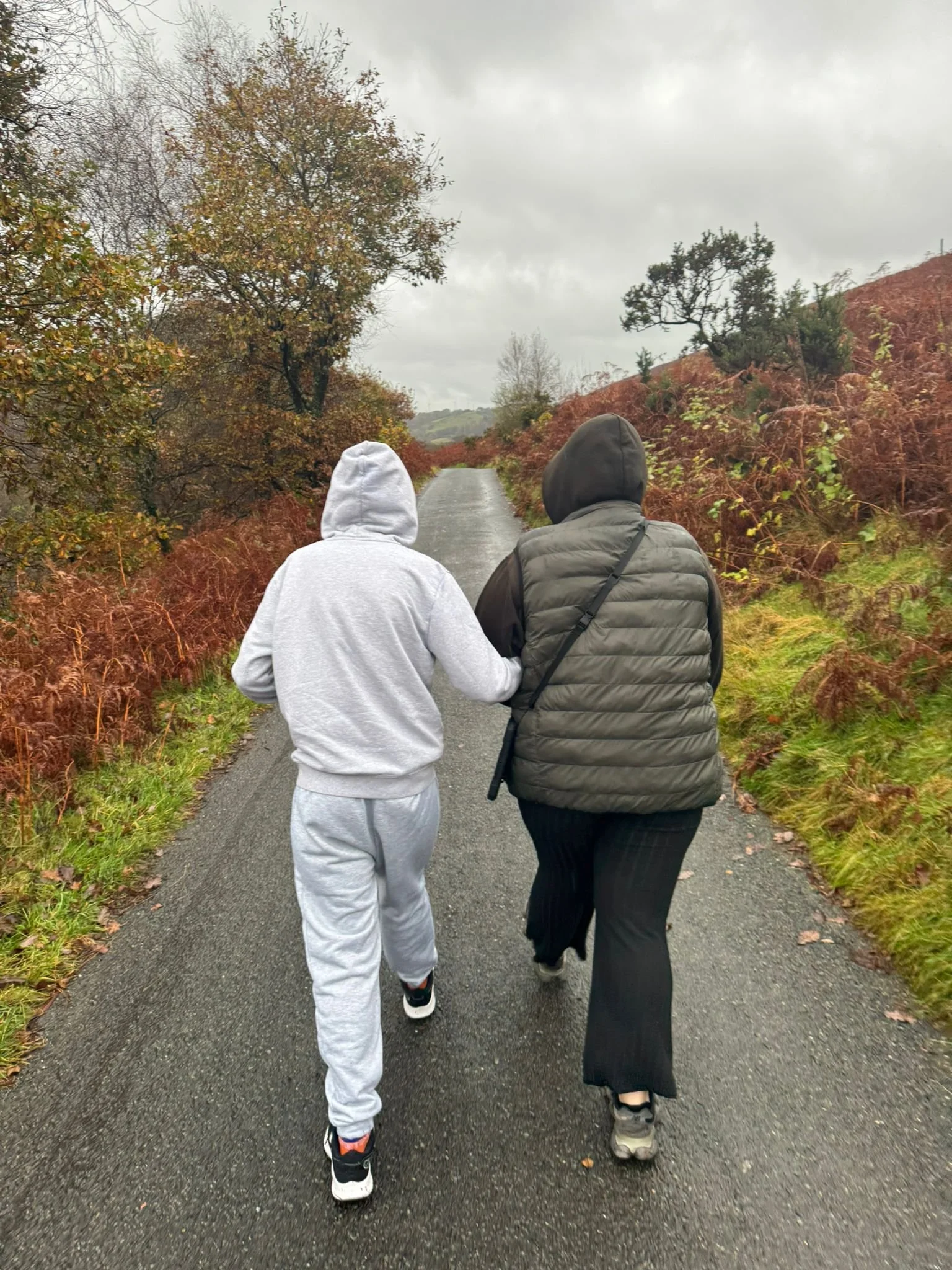
Our approach draws on a range of complementary strategies,
-
Trauma Informed
At ALC, we recognise that many individuals, including those with autism and related conditions, may have experienced trauma in their lives. A trauma-informed approach means we understand how these experiences can affect a person’s emotions, behaviour, relationships and ability to feel safe.
Being trauma-informed is not about asking someone to share their trauma. Instead, it is about creating an environment where people feel respected, listened to and safe.
Safety – We provide a calm, predictable and secure environment where individuals feel physically and emotionally safe.
Trust and Transparency – We communicate clearly, follow through on what we say and make sure individuals and their families understand our processes.
Choice and Control – We support individuals to make their own choices wherever possible. Their views, wishes and needs shape their care and daily activities.
Collaboration – We work alongside individuals, families and professionals as equal partners.
Empowerment – We focus on strengths and encourage independence, confidence and self-worth.
Understanding Behaviour – We recognise that behaviour may be a way of communicating distress or unmet needs, and we respond with empathy rather than judgement.
-
Zone time
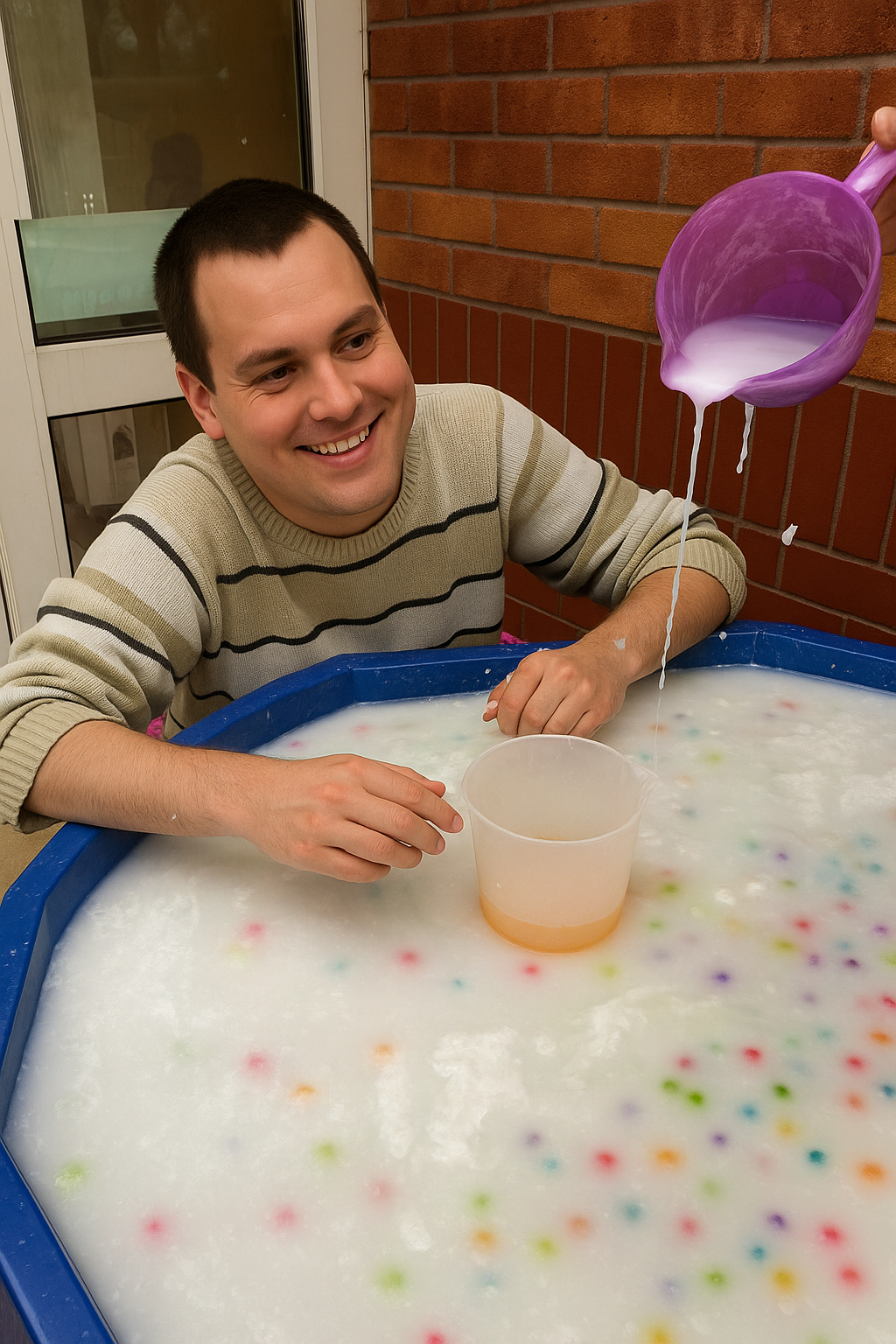
Zone Time is our adult-version of Floor Time. It is a dedicated opportunity to build relationships, trust and meaningful connection. During Zone Time, staff engage with individuals by joining in their interests, following their lead and creating moments of shared enjoyment.
This approach is about:
Building trust – forming safe, respectful and reliable relationships.
Having fun together – creating positive experiences through play, conversation or shared activities.
Following their choices and passions – allowing the individual’s interests to guide the interaction, rather than directing or controlling it.
Encouraging communication and expression – supporting individuals to express themselves in their own way, whether verbally or non-verbally.
Zone Time promotes connection, confidence and emotional well-being, while gently encouraging growth and independence in a way that feels natural and enjoyable.
-
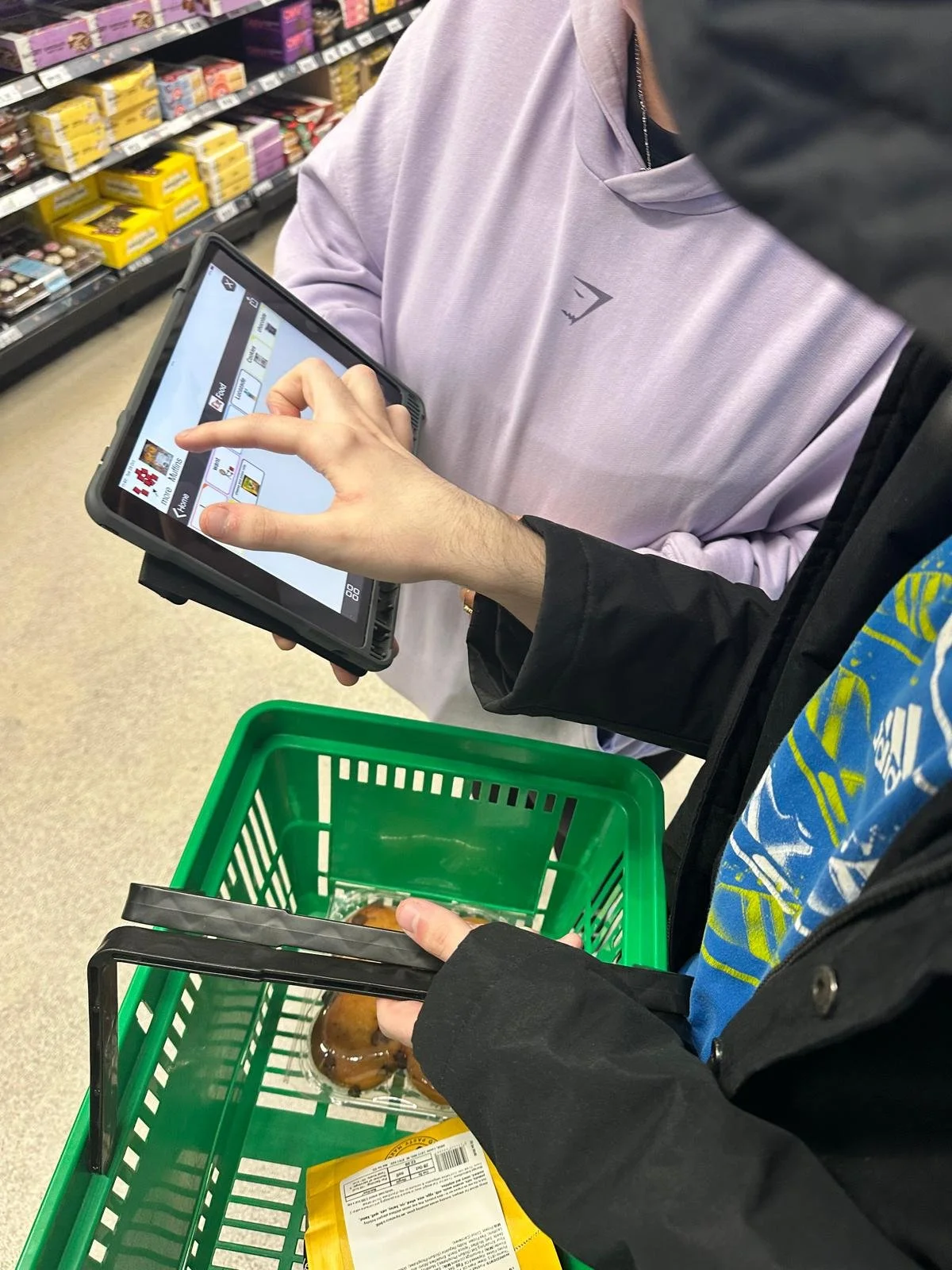
A Total Communication approach
Total Communication Approach
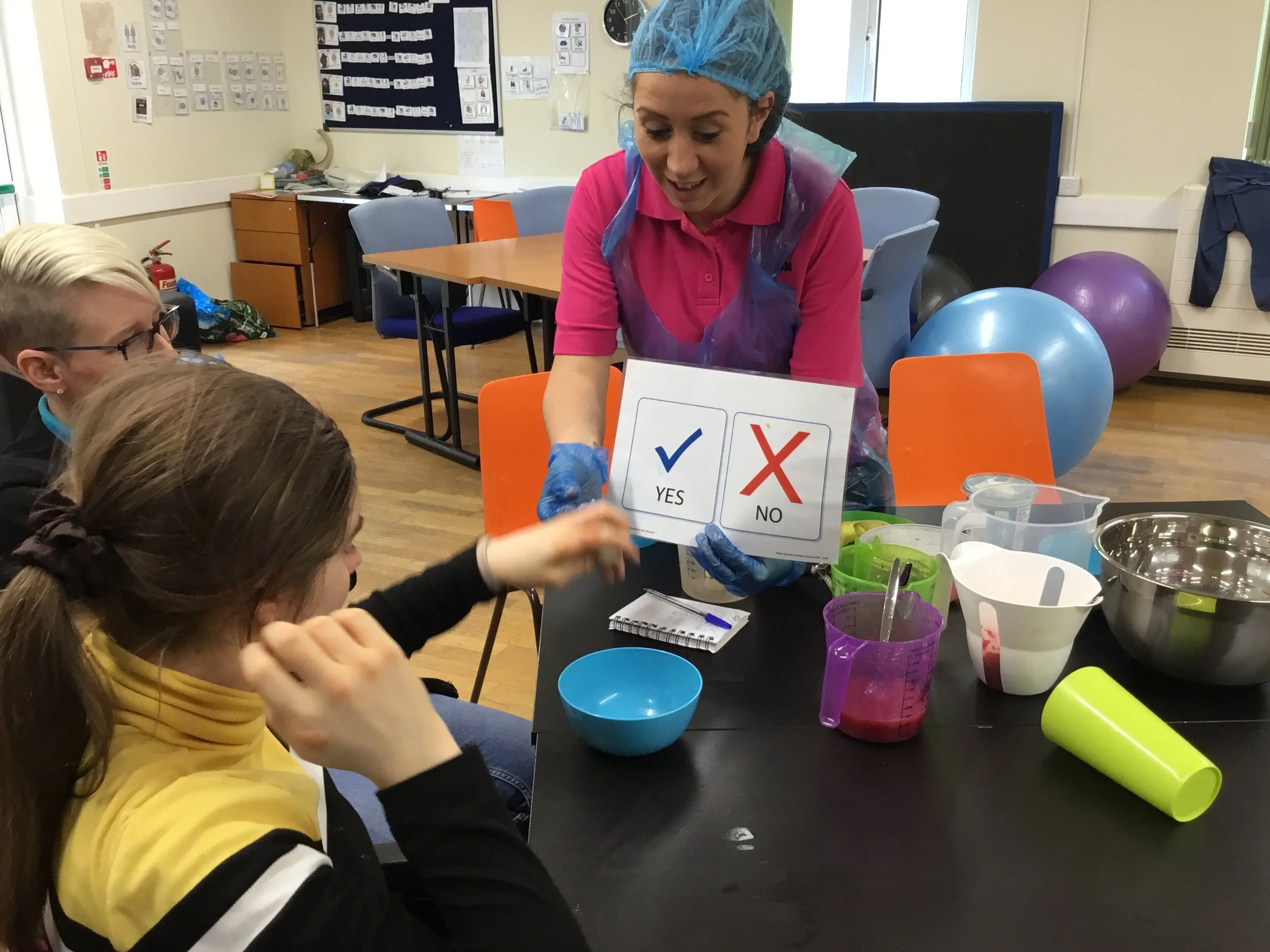
We use a Total Communication approach to ensure that every individual has a voice and can express themselves in a way that is understood and respected. This means we incorporate a range of communication methods, tailored to each person’s needs and preferences.
Our approach includes:
AAC (Augmentative and Alternative Communication)
Low tech/ no tech: Makaton, gestures, facial expressions, writing, visual aids, social stories, communication books and core boards.
High tech: speech generating devices/communication apps
PECS (Picture Exchange Communication System)
By using different forms of communication, we remove barriers and create a supportive environment where everyone can connect, make choices and be heard with dignity.
We work with NHS Speech and Language Therapists and the Electronic Assistive Technology Centre to identify individuals who would benefit from access to high tech communication devices
-
Active Support
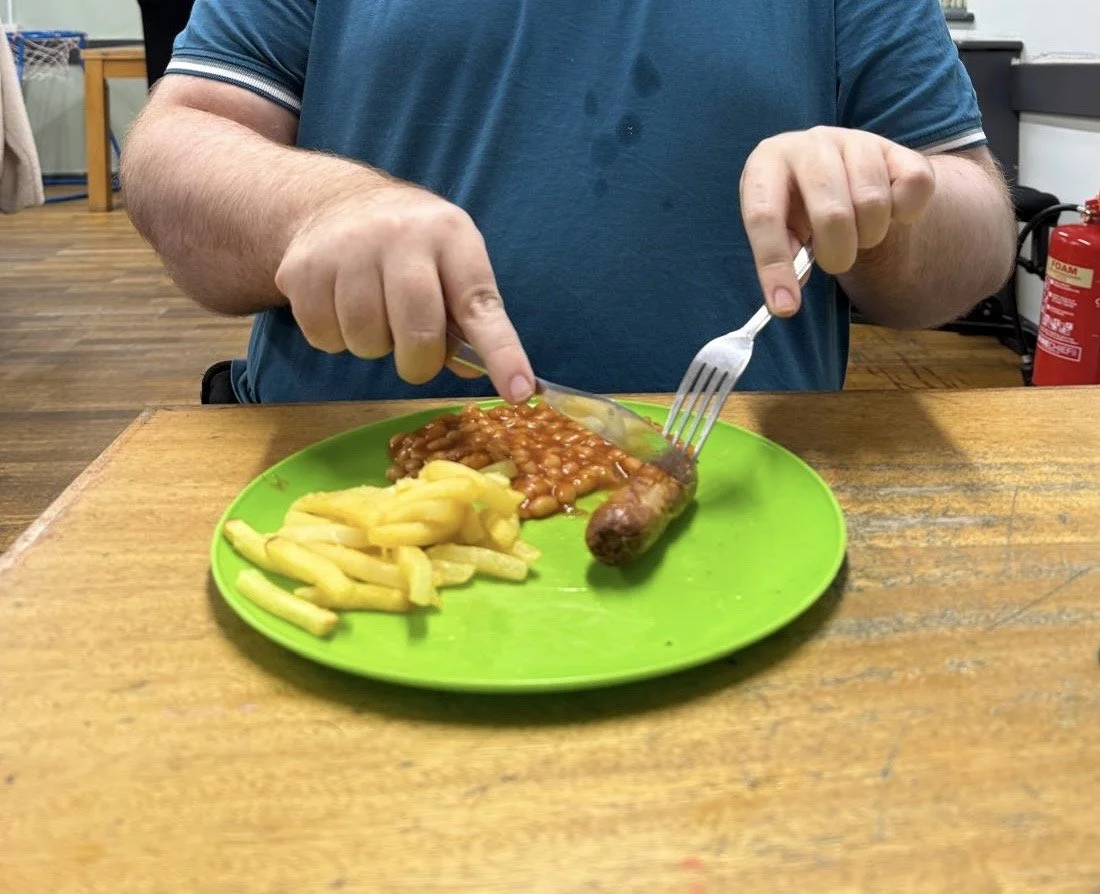
Active Support means offering just the right level of help to enable individuals to participate in everyday tasks and activities, rather than doing things for them. It focuses on promoting independence, choice and confidence.
Through this approach we:
Encourage involvement in daily routines such as cooking, cleaning, personal care or leisure activities.
Provide support that matches the person’s needs—no more and no less—to build skills and self-esteem.
Focus on what individuals can do, while offering guidance to help them succeed.
Promote dignity, ownership and meaningful engagement in their own lives.
Active Support empowers individuals to live more independently and take an active role in their daily experiences.