


At ALC, our support is deeply rooted in a person-centred approach that honours each individual’s preferences, rights, and developmental needs. We avoid one-size-fits-all programs and instead customize our assistance to promote independence, emotional health, and active engagement in everyday life.
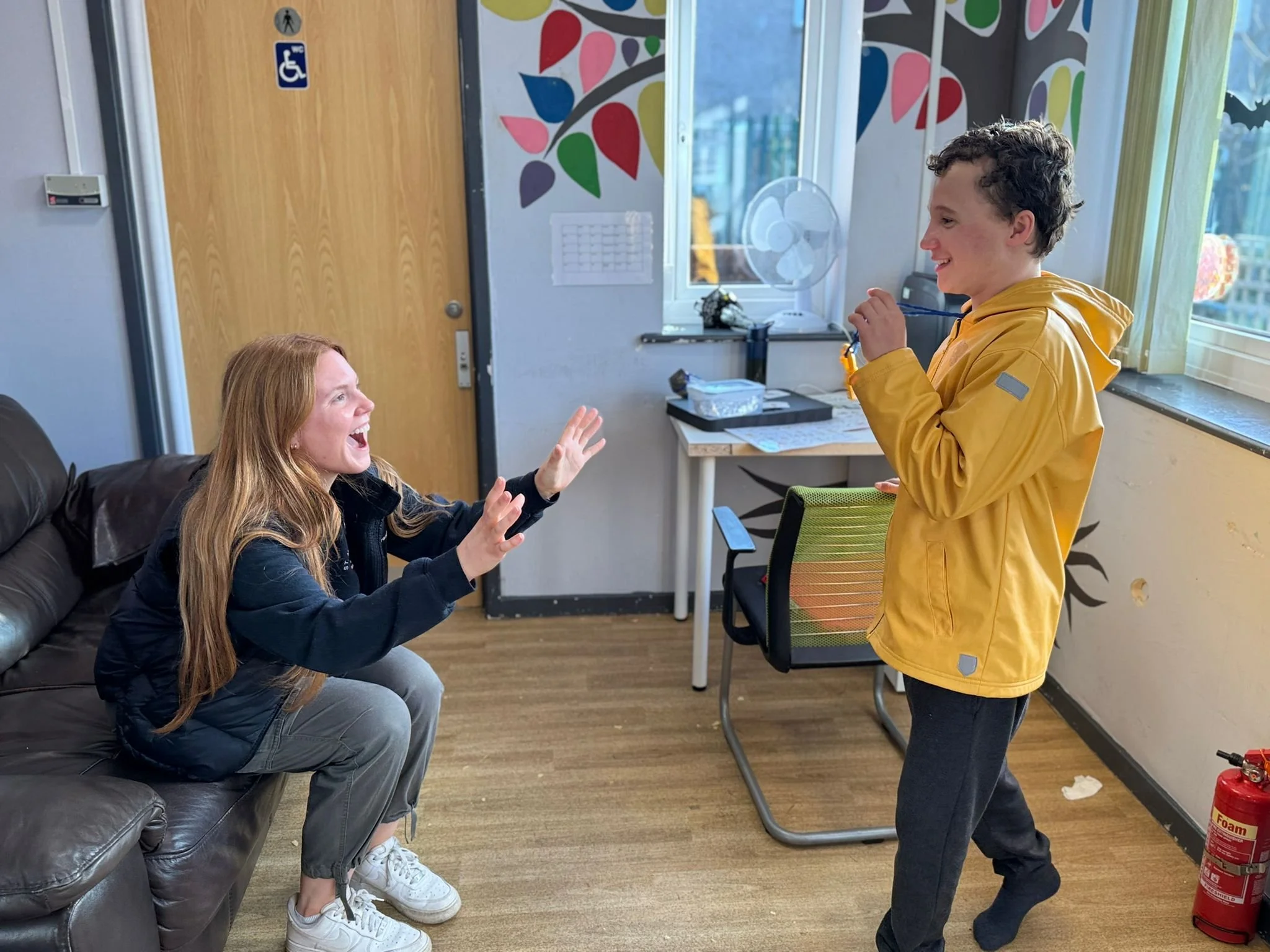
Better Together: Our Two-Part Approach
At ALC, we understand that behaviour is a form of communication — especially for young people who may find it difficult to express themselves in conventional ways. We don’t label behaviour as “challenging” — we see it as a signal, a need, or a story that hasn’t been heard yet
We blend two powerful, evidence-based models to create something truly special. Think of it as the perfect partnership for holistic, ethical support
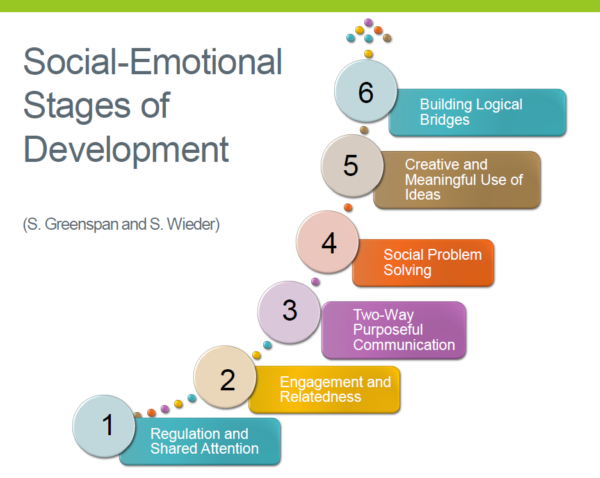
DIR/Floortime
This is all about building trust and connection. We focus on understanding each person's emotional and developmental stage to build genuine, respectful relationships. It's the foundation for growth.
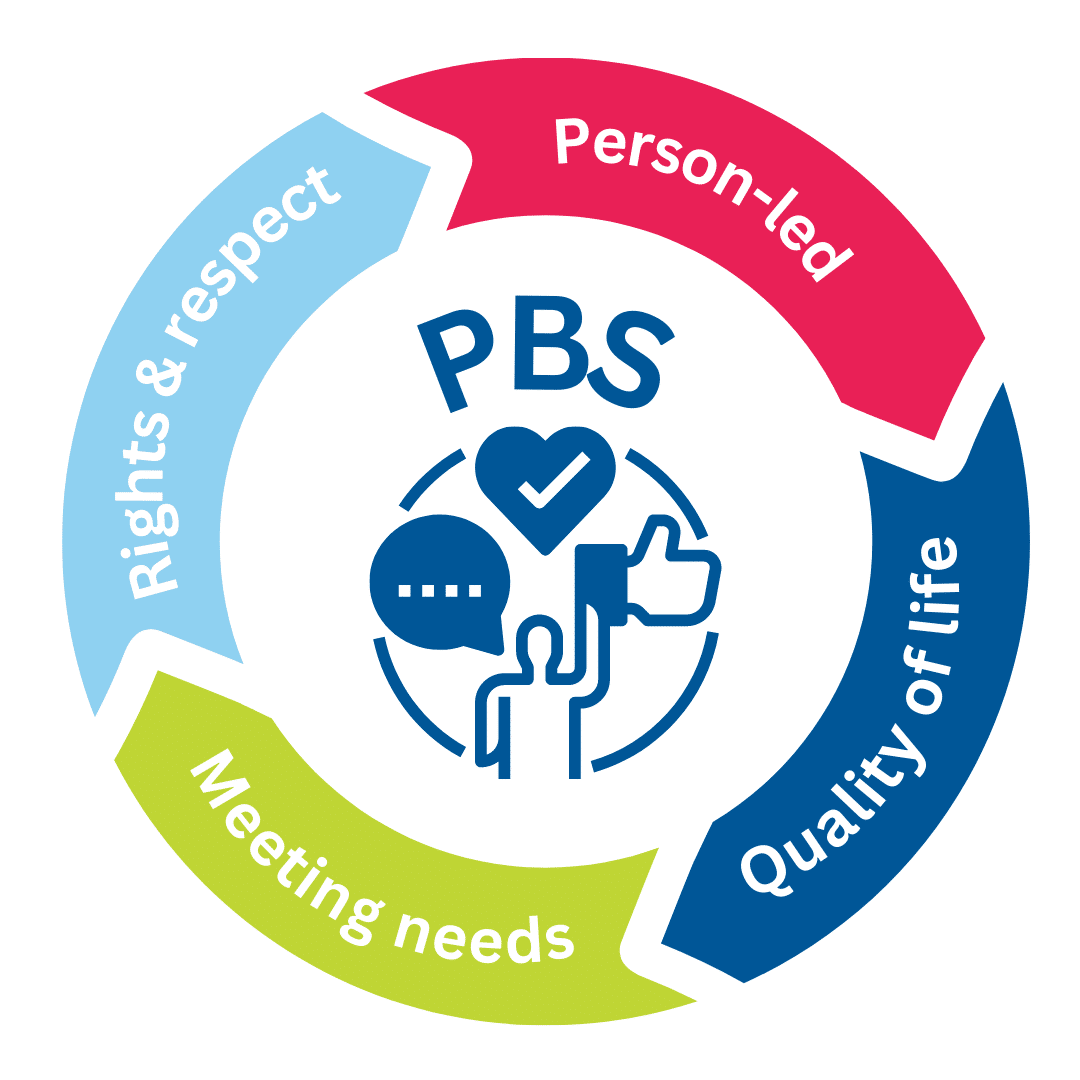
Positive Behavioural Support (PBS)
This framework helps us understand the *reasons* behind behaviour. We use proactive strategies to improve quality of life, reduce distress, and empower people with new skills in a calm, predictable environment.
How DIR & PBS combine to create emotionally secure environment
-
Understanding the Person
DIR: Focuses on the emotional and sensory profile.
PBS: Focuses on the function of behaviour.
-
Reducing Distress
DIR: Builds emotional safety and co-regulation.
PBS: Reduces triggers and the need for reactive strategies.
-
Communication
DIR: Develops spontaneous, relational communication.
PBS: Teaches functional communication skills.
🔹 Person-Centred Planning
Every individual is unique. We tailor support strategies around the person’s strengths, preferences, and communication style — not just their behaviour.
What Makes Our Approach Different:
🔹 Trauma-Informed Practice
We recognise that past experiences, trauma, or unmet needs often shape behaviour. Our team approaches each situation with empathy, patience, and understanding.
We Don’t Just Manage Behaviour
We Understand It
🔹 Proactive, Not Reactive
We focus on building positive relationships, creating predictable routines, and identifying triggers early. The goal is to reduce stress and avoid escalation — not just manage crisis moments.
🔹 Skilled, Compassionate Staff
Our team is highly trained in behaviour support strategies, de-escalation techniques, and positive communication. More importantly, they care — and it shows.
🔹 Collaboration with Families
We work closely with families and carers to ensure consistency across home and school environments. You are part of the team, not just an observer.